Overview
Brief History
Kitulo National Park, established in 2005, spans 413 km² in southern Tanzania’s Mbeya Region. Known as the “Serengeti of Flowers,” it was created to protect its unique montane grasslands and over 350 wildflower species, including 45 orchid varieties. Managed by TANAPA, it’s a biodiversity hotspot for flora and fauna, offering stunning highland scenery.
Climate and Accessibility
Accessible by road from Mbeya (90 km) or charter flights to nearby airstrips. The dry season (June-October) is ideal for flower viewing, with temperatures of 15-25°C. The wet season (November-April) brings vibrant blooms but muddy trails, with 1,000-1,500 mm rainfall.
Highlights
- Wildflower meadows
- Orchid species (45 varieties)
- Kitulo Plateau
- Denham’s bustard
- Montane grasslands
- Birdlife (over 200 species)
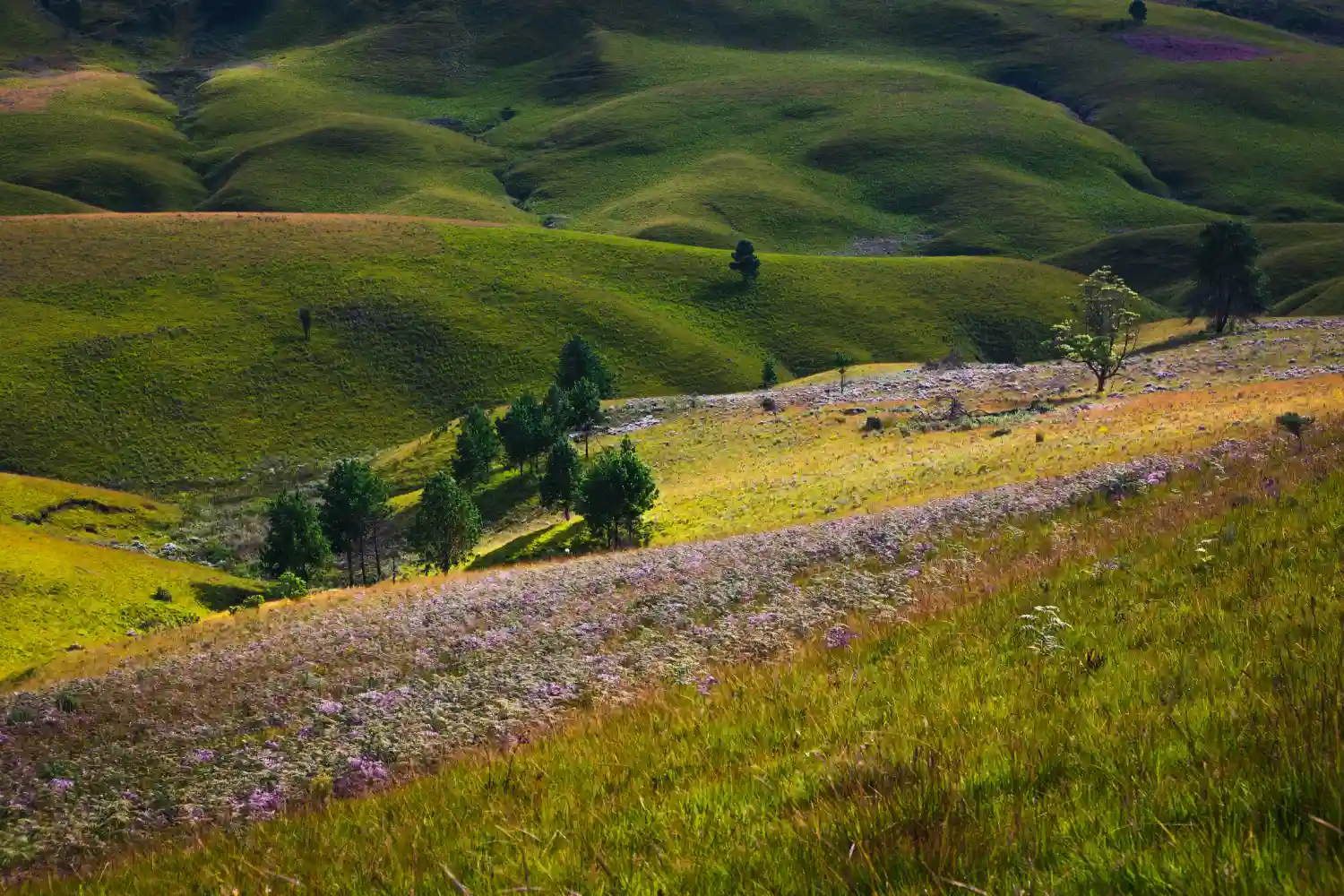
Wildflower Meadows
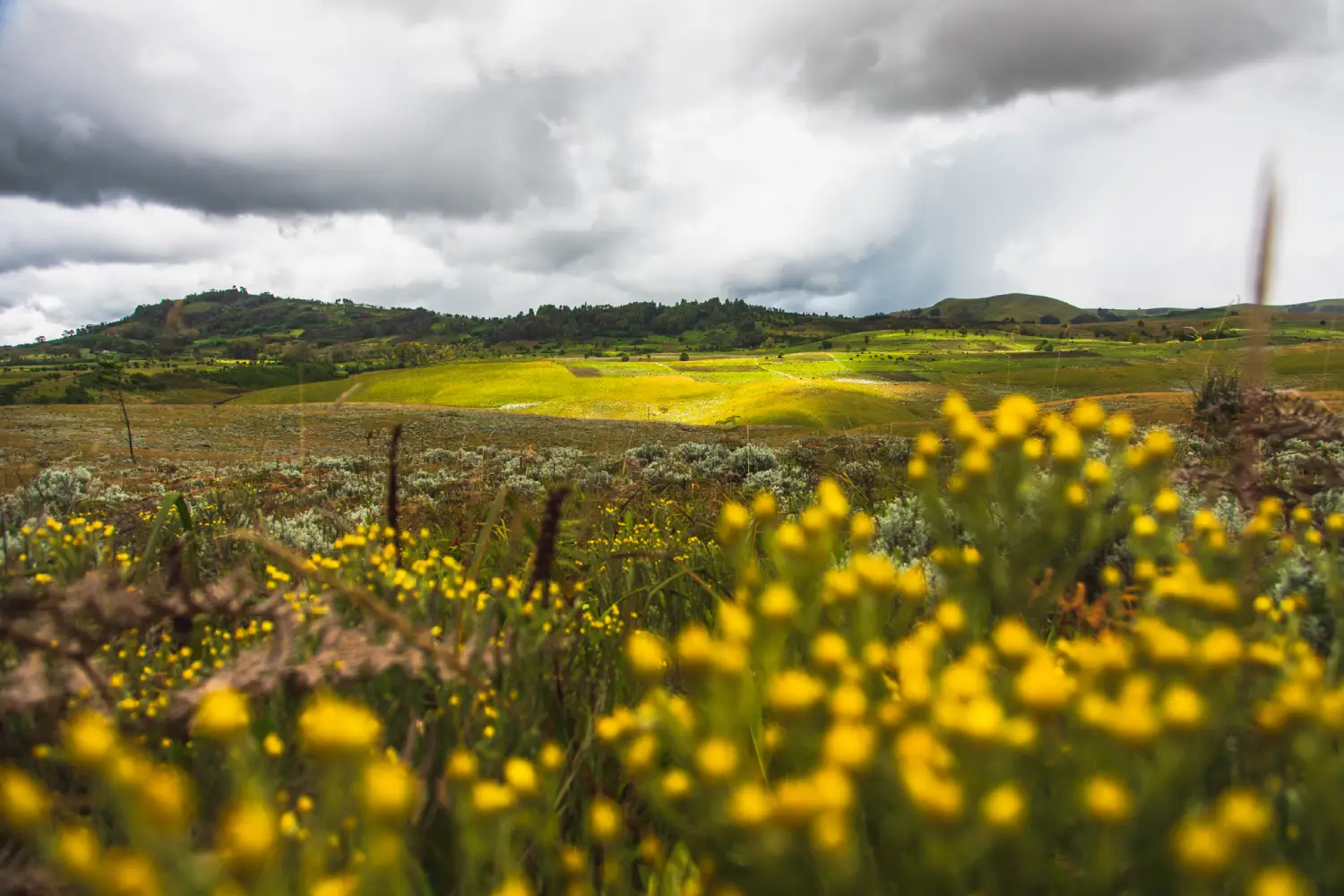
Kitulo Plateau
Tourism Activities
Walking Safari: Guided hikes through flower-filled grasslands, ideal for photography.
Birdwatching: Spot over 200 species, including Denham’s bustard and mountain marsh widow.
Botanical Tours: Explore unique flora, including orchids and aloes, with expert guides.
Hiking: Trek the Kitulo Plateau for panoramic highland views.
Accommodation
- Public campsites with basic facilities.
- Nearby lodges in Mbeya or TANAPA rest houses.
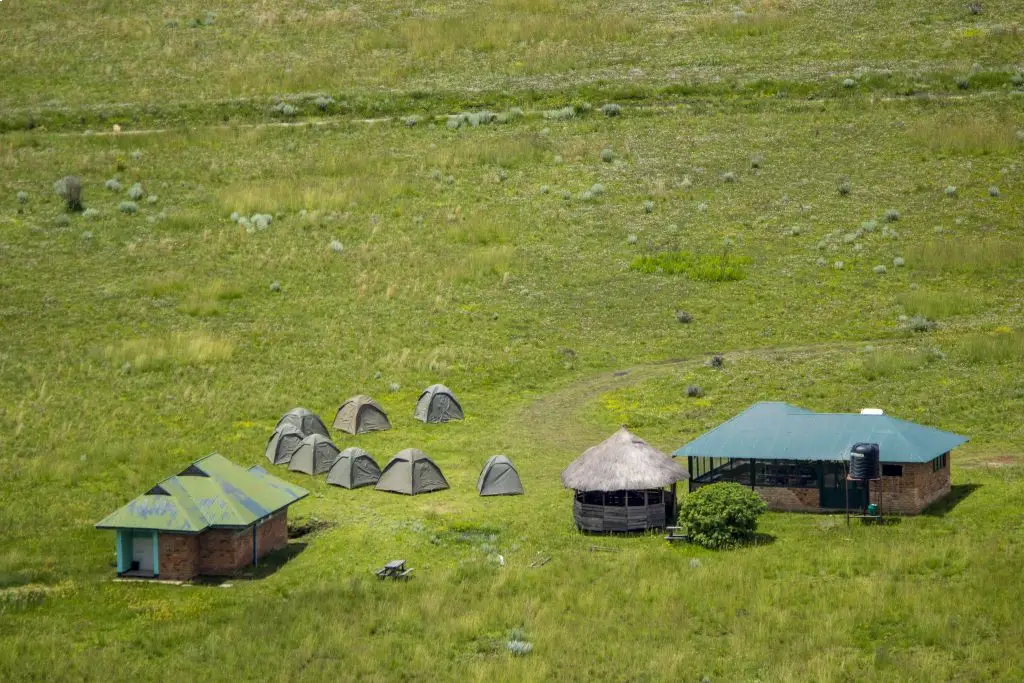
Campsite
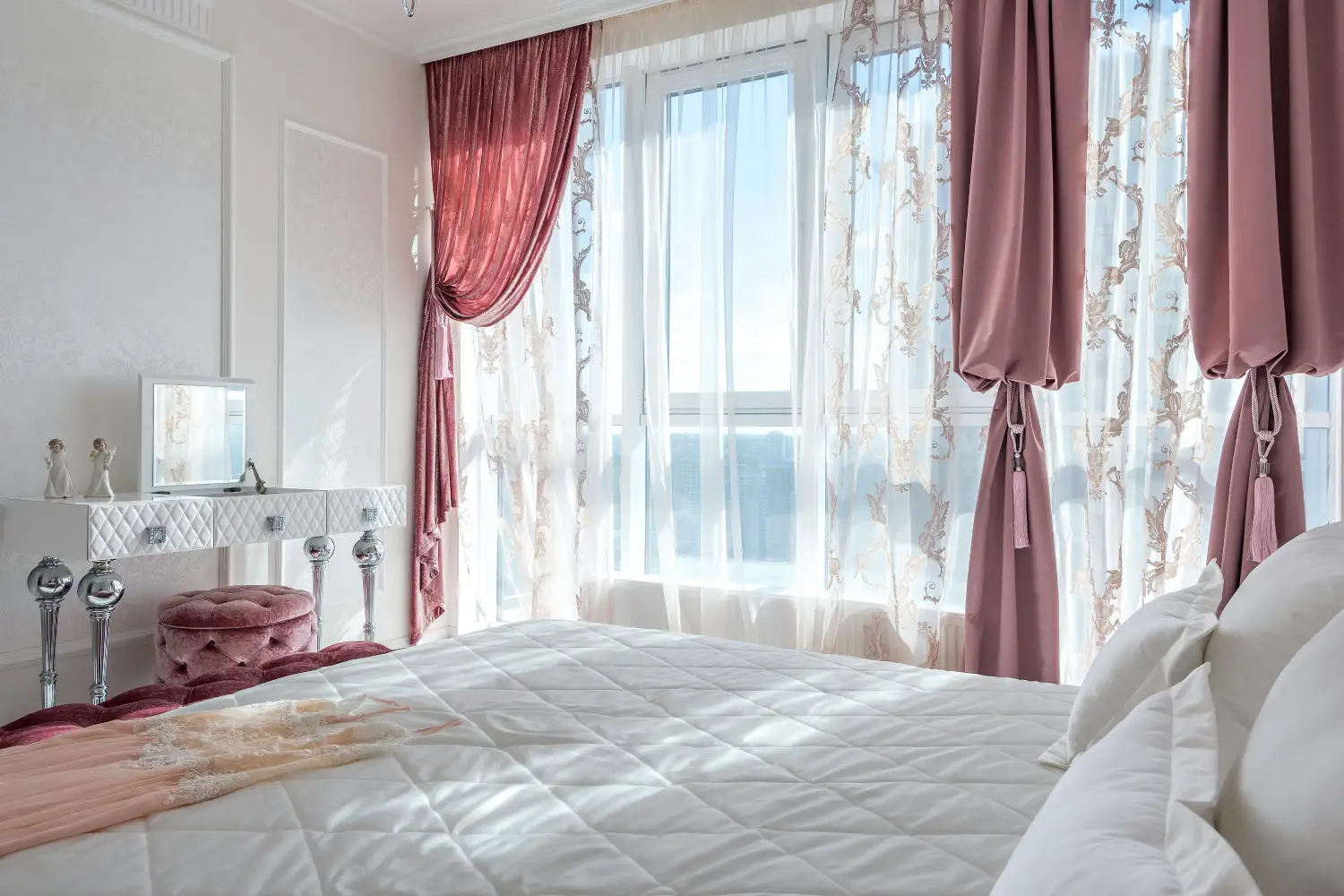
Rest House
Pricing
Entry fees: $35.40/adult (high season), $29.50/adult (low season). Camping: $59/adult. Payments via credit card or TANAPA smart card. Click here to view our packages or request a tailored tour below.
Plan Your Adventure
Fill out the form below to inquire/book your tour. Our team will contact you to confirm your booking and finalize details.
Customer Reviews
“Amazing value for money! Saw so much wildlife!” – Emma, UK, Apr 2025
“The camping was fun, and the guides were fantastic.” – Liam, Australia, Mar 2025
“Great budget option, loved the Serengeti!” – Sofia, Canada, Feb 2025
Frequently Asked Questions
Comfortable clothing, sturdy shoes, hat, sunscreen, insect repellent, and a camera.
Most nationalities require a visa for Tanzania. Check with your embassy.
Yes, campsites are secure with trained staff and fenced areas where needed.
June–October for dry season and wildlife viewing; January–February for calving season.